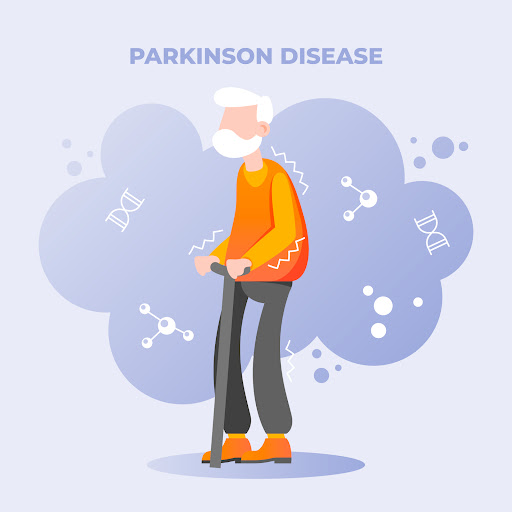
Parkinson�s disease is a progressive neurological condition that can affect movement and, in some…
Parkinson�s disease is a progressive neurological condition that can affect movement and, in some people, other aspects of daily life. Common symptoms may include tremors, muscle stiffness, slowed movement, and changes in balance. Some individuals may also experience sleep difficulties, constipation, mood changes, or changes in speech.
Parkinson�s disease affects each person differently. Diagnosis and treatment should be guided by a qualified medical professional. Management may include prescribed medicines, physiotherapy, exercise, occupational support, speech and swallowing care, and lifestyle guidance, depending on individual needs.
Regular follow-up is important because symptoms and care requirements can change over time. Physical activity and appropriate rehabilitation may help support mobility, strength, balance, and independence.
At Veda Wellness Hospital in Haridwar, neurology care focuses on patient assessment and ongoing support for neurological concerns. Gastroenterology and cardiology services are also available for other health needs. Panchakarma or Ayurvedic therapies, when considered, should be discussed with the treating medical team and should not replace evidence-based neurological treatment.
Families can support people with Parkinson�s disease by encouraging safe activity, medication adherence, regular appointments, and a supportive daily routine.